

The Week 11 matchup between the Green Bay Packers and the New York Giants provided fans with a compelling look at how efficiency, execution, and situational awareness can define an NFL game. While the final score captured the outcome, the underlying performance metrics reveal a deeper story about how individual players and units influenced momentum on both sides of the ball.
This comprehensive breakdown focuses on offensive and defensive player statistics, efficiency trends, and key moments that shaped the game. By examining passing, rushing, receiving, defensive pressure, and situational metrics, this analysis offers a clearer understanding of why the Packers emerged with the advantage and where the Giants showed promise despite falling short.
Game Context and Competitive Landscape
Heading into Week 11, both teams faced pressure to perform. Green Bay aimed to build consistency and prove its offensive system could execute under varied game scripts. New York entered the matchup seeking stability and stronger execution in high-leverage situations.
From the opening drive, it was clear this would be a game decided by details. Neither team dominated statistically across every category, but efficiency gaps and execution under pressure ultimately determined the result.
Quarterback Performance Metrics
Jordan Love’s Offensive Command
Jordan Love’s Week 11 performance showcased growth in decision-making and field awareness. His completion percentage reflected accuracy in the short-to-intermediate passing game, particularly on first and second downs. Love’s yards per attempt demonstrated a balance between aggressive throws and smart checkdowns.
Advanced metrics painted an even stronger picture. Love posted a solid passer rating when throwing from a clean pocket and showed noticeable improvement when pressured. His time-to-throw average suggested comfort within the offensive system, allowing receivers to complete routes without forcing risky throws.
Perhaps most importantly, Love protected the football. Limiting turnovers kept the Packers in control of field position and momentum throughout the game.
Giants Quarterback Efficiency and Challenges
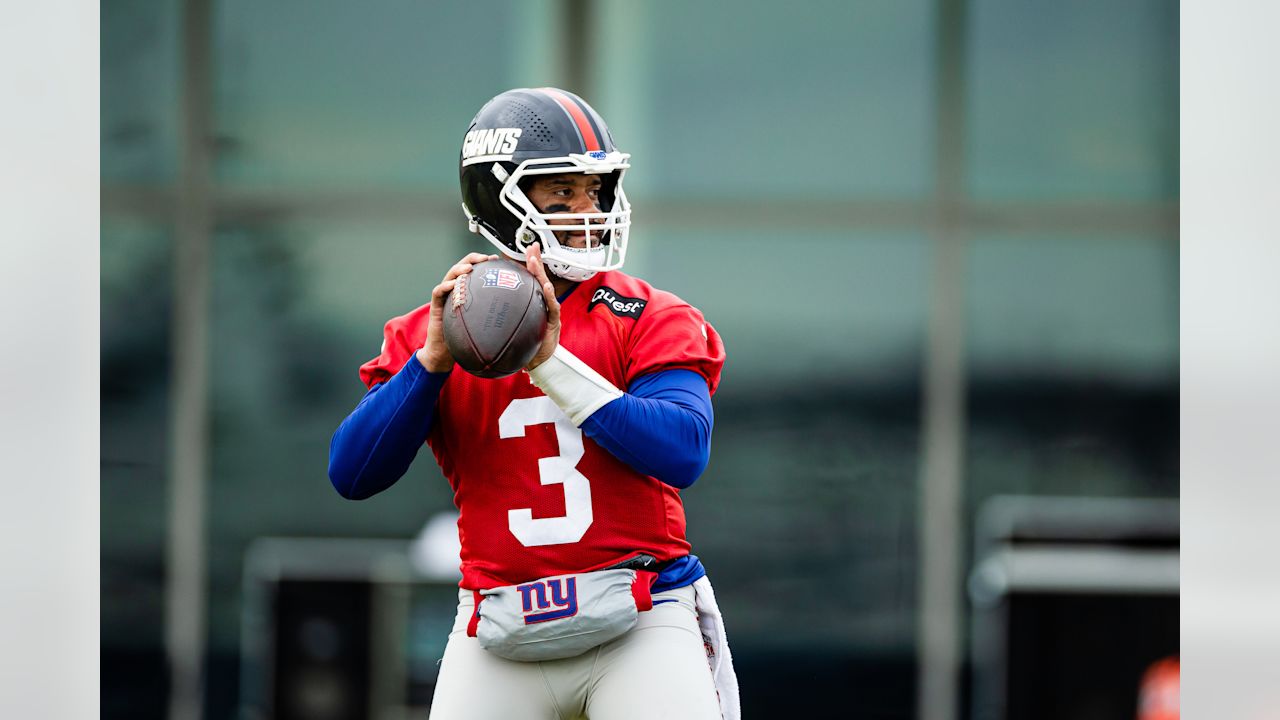
The Giants’ quarterback delivered a mixed statistical performance. On one hand, he generated explosive plays that accounted for a significant portion of the team’s passing yards. On the other, efficiency dipped in crucial situations.
Pressure metrics were a key factor. Completion percentage dropped when facing defensive pressure, and several third-down attempts ended with hurried throws or sacks. While improvisation led to highlight plays, inconsistency limited sustained drives.
Rushing Performance Breakdown
Packers Ground Game Stability
Green Bay’s rushing attack may not have produced headline-grabbing numbers, but it was highly effective. The Packers averaged steady yards per carry, keeping the offense ahead of the chains and reducing reliance on long third-down conversions.
Running backs excelled in short-yardage situations, converting key downs and extending drives. Yards after contact were particularly impressive, reflecting physical running and strong blocking at the point of attack.
This consistent ground production played a major role in time-of-possession control, especially during the second half.
Giants Rushing Trends
The Giants’ rushing attack showed flashes of explosiveness early in the game. Outside runs and misdirection plays created favorable matchups against Green Bay’s defense, leading to several efficient first-down gains.
However, adjustments by the Packers limited effectiveness as the game progressed. Interior gaps closed more quickly, and rushing efficiency declined after halftime. This shift forced the Giants to lean more heavily on the passing game in predictable situations.
Receiving and Passing Game Contributions
Packers Receiving Efficiency
One of the Packers’ strengths in Week 11 was the distribution of targets. Multiple receivers contributed meaningful yardage, preventing the Giants from focusing coverage on a single playmaker.
Slot receivers and tight ends played a crucial role in third-down situations, consistently finding space against zone coverage. Catch rate and yards after catch metrics highlighted reliable hands and smart route-running.
This balanced approach increased offensive flexibility and reduced defensive predictability.
Giants Receiving Highlights
New York’s receiving unit delivered several momentum-shifting plays. Explosive receptions accounted for a significant percentage of total passing yards, showcasing speed and playmaking ability.
However, reliance on big plays came with drawbacks. Short-yardage efficiency suffered, and drops or contested catches stalled drives at critical moments. While the talent was evident, consistency remained an issue.
Offensive Line and Protection Metrics
Packers Pass Protection
Green Bay’s offensive line performed well overall, particularly in pass protection. Sack rate remained low, and pressure allowed per dropback was within acceptable range.
Effective communication and quick adjustments limited free rushers and allowed the quarterback to progress through reads. This protection was a key factor in maintaining offensive rhythm.
Giants Protection Challenges
The Giants faced more difficulty in pass protection. Pressure rate increased on obvious passing downs, leading to hurried throws and negative plays.
While the offensive line held up at times, breakdowns in communication and missed assignments proved costly, particularly against stunts and delayed blitzes.
Defensive Performance Metrics
Packers Defensive Efficiency
Green Bay’s defense excelled in efficiency rather than sheer volume of plays. Pressure rate without heavy blitzing stood out, as the defensive front consistently disrupted the pocket.
Tackling efficiency was another strong point. Missed tackles were limited, and defenders consistently wrapped up ball carriers, preventing yards after contact.
Coverage metrics showed effective zone discipline, with defenders closing passing windows and limiting yards after catch.
Giants Defensive Contributions
The Giants’ defense delivered several impactful moments, especially early in the game. Linebackers showed strong awareness in coverage, and the defensive line generated occasional pressure.
However, missed tackles and coverage breakdowns appeared during high-leverage situations. Third-down defense, in particular, proved costly, as extended Packers drives wore down the unit late in the game.
Third-Down and Red-Zone Metrics
Third-down efficiency was a defining statistical category. Green Bay converted a higher percentage of third-down opportunities, particularly in third-and-short scenarios.
Red-zone performance further separated the teams. The Packers turned red-zone trips into touchdowns at a higher rate, while the Giants settled for fewer points per opportunity.
These situational metrics often decide close NFL games, and Week 11 was no exception.
Turnover and Penalty Impact
Turnover margin favored Green Bay, reinforcing their control of the game. Protecting the football allowed the Packers to maintain momentum and capitalize on scoring opportunities.
Penalty discipline also played a role. The Giants committed several penalties that extended Packers drives or stalled their own offensive momentum. Green Bay’s cleaner execution helped preserve field position advantages.
Special Teams Performance
Special teams contributions were subtle but important. Green Bay consistently won the field position battle through effective punts and coverage units.
Kick return efficiency and kickoff placement favored the Packers, limiting the Giants’ ability to start drives near midfield.
Key Game-Changing Moments
Several moments defined the flow of the game:
- A sustained Packers touchdown drive in the third quarter that featured balanced play-calling
- A critical defensive stop that forced a Giants punt from scoring range
- A late-game Packers possession that drained the clock through efficient third-down conversions
These moments reflected preparation, execution, and situational awareness.
Advanced Metrics and Analytical Insights
Advanced analytics further support Green Bay’s advantage. Yards per play, early-down success rate, and expected points added all leaned in the Packers’ favor.
Defensive efficiency metrics showed Green Bay limiting explosive plays while forcing longer drives, increasing the likelihood of mistakes.
Player Performance Trends Moving Forward
For Green Bay, Week 11 reinforced the value of balanced offense and disciplined defense. Continued growth in quarterback efficiency and situational execution suggests a positive trajectory.
For New York, the metrics highlight areas for improvement, particularly in pass protection and third-down efficiency. The talent is present, but consistency remains the challenge.
Final Takeaways from Week 11
The Packers vs Giants Week 11 matchup demonstrated how performance metrics often tell a more complete story than the final score alone. Efficiency, discipline, and execution in key moments allowed Green Bay to control the game and secure the win.
For fans, analysts, and fantasy football players, understanding these metrics provides valuable insight into player value, team strengths, and areas for improvement as the season progresses.