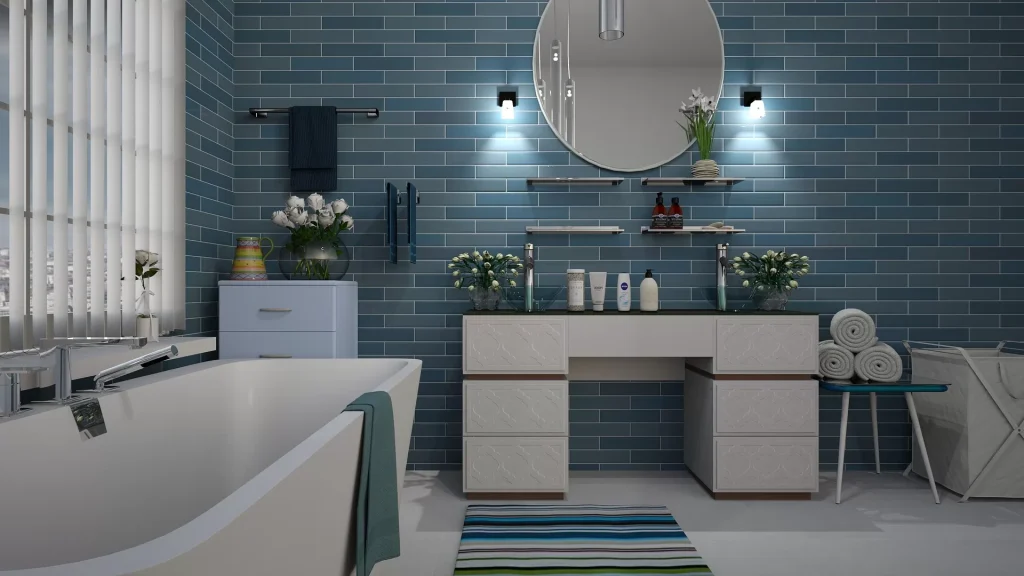
A bathroom renovation is one of the most rewarding home improvement projects when done correctly. It enhances daily comfort, improves functionality, and significantly increases property value. However, without careful planning, a bathroom remodel can quickly become stressful, over budget, or misaligned with your long-term needs.
In 2026, bathroom renovations focus on efficiency, durability, and modern comfort. From smart technology and water efficiency to timeless design choices, successful renovations balance aesthetics with practical decision-making. This guide outlines essential tips to help homeowners plan a bathroom renovation that is smooth, cost-effective, and built to last.
Define Clear Goals Before You Begin
Every successful bathroom renovation starts with clarity. Before choosing tiles or fixtures, define exactly what you want to achieve.
Ask yourself:
- Is the goal to improve functionality, update style, or increase resale value?
- Who will use the bathroom daily?
- Are accessibility or aging-in-place features needed?
Clear goals guide every decision, prevent scope creep, and keep the project focused.
Set a Realistic Budget With a Buffer
Budgeting is a critical step that determines the scale and quality of your renovation. A realistic budget should include materials, labor, permits, and unexpected costs.
Best practices include:
- Allocating 10–15% of the budget for contingencies
- Prioritizing spending on plumbing, waterproofing, and fixtures
- Avoiding overinvestment beyond neighborhood value
A well-planned budget helps avoid compromises later in the project.
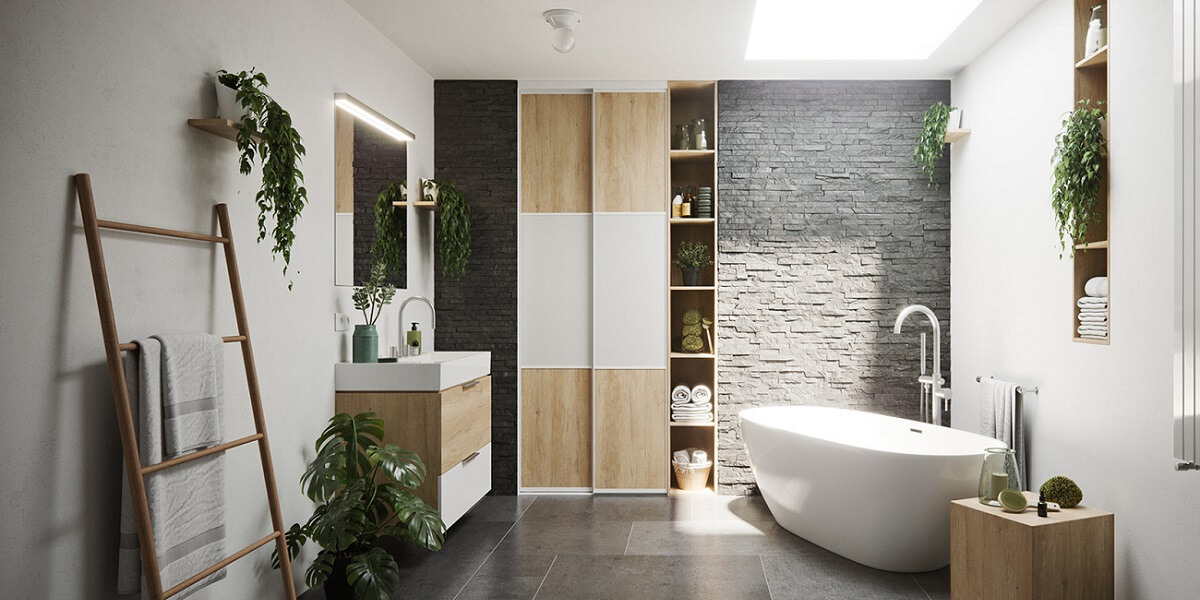
Plan the Layout Carefully
Changing a bathroom layout can significantly increase costs, especially if plumbing lines are moved. Whenever possible, keep major plumbing elements—such as toilets, showers, and sinks—in their existing locations.
If a layout change is necessary, ensure it improves:
- Traffic flow
- Storage efficiency
- Ease of use
A functional layout is more important than following design trends.
Choose Durable and Water-Resistant Materials
Bathrooms are high-moisture environments, so material selection directly impacts longevity and maintenance.
Recommended materials include:
- Porcelain or ceramic tiles for flooring and walls
- Quartz or solid-surface countertops
- Moisture-resistant drywall and backer boards
Durable materials reduce long-term repair costs and preserve the bathroom’s appearance.
Focus on Functional Fixtures First
Fixtures should be chosen for performance before appearance. High-quality fixtures improve daily comfort and reduce maintenance issues.
Key considerations include:
- Water-efficient faucets and showerheads
- Thermostatic shower valves for temperature control
- Easy-to-clean toilet designs
Functionality ensures the bathroom performs well for years to come.
Select a Timeless Design Foundation
While trends are appealing, timeless design choices age better and protect resale value. Neutral color palettes, classic tile patterns, and simple fixture silhouettes offer long-term appeal.
Trendy elements can still be incorporated through:
- Lighting
- Accessories
- Paint or accent tiles
This balance keeps the bathroom current without risking quick obsolescence.
Prioritize Proper Lighting
Lighting plays a major role in both function and ambiance. A layered lighting plan improves visibility and comfort.
Effective lighting includes:
- Task lighting around mirrors
- Ambient ceiling lighting
- Accent lighting for niches or shelves
Proper lighting enhances safety and elevates the overall design.
Ensure Adequate Ventilation
Ventilation is often overlooked but is essential for moisture control. Poor ventilation leads to mold, mildew, and material damage.
Install:
- A properly sized exhaust fan
- Fans with humidity sensors or timers
- Venting that leads outdoors, not into attics
Good ventilation protects your investment and improves air quality.
Plan Storage Early
Lack of storage is a common bathroom renovation mistake. Storage solutions should be integrated into the design from the start.
Effective options include:
- Vanity drawers instead of cabinets
- Recessed wall niches
- Medicine cabinets with mirrored fronts
Well-planned storage keeps the bathroom organized and clutter-free.
Consider Water Efficiency and Sustainability
Modern bathroom renovations emphasize sustainability. Water-efficient fixtures reduce utility costs and environmental impact.
Look for:
- Low-flow toilets
- WaterSense-certified faucets and showerheads
- Energy-efficient lighting
These features offer long-term savings without sacrificing performance.
Account for Accessibility and Future Needs
Even if accessibility is not currently required, planning for the future adds long-term value.
Consider:
- Curbless showers
- Lever-style handles
- Reinforced walls for future grab bars
These features improve safety and usability for all ages.
Work With Experienced Professionals
Bathroom renovations involve plumbing, electrical work, waterproofing, and precise installation. Working with skilled professionals reduces risk and ensures code compliance.
Homeowners often partner with experienced teams such as Zolotas KB to coordinate design, material selection, and installation, helping ensure the renovation is efficient, compliant, and aligned with long-term goals.
Review Permits and Local Codes
Skipping permits can lead to costly issues later. Ensure your renovation complies with local building codes and permit requirements.
Permits are often required for:
- Plumbing modifications
- Electrical upgrades
- Structural changes
Compliance protects your investment and avoids legal complications.
Create a Clear Project Timeline
A realistic timeline helps manage expectations and minimize disruption. Bathroom renovations typically take several weeks, depending on scope.
A clear schedule should include:
- Material lead times
- Inspection stages
- Buffer days for delays
Planning ahead reduces stress and improves coordination.
Test and Inspect Before Completion
Before signing off on the project, test all fixtures and inspect finishes carefully.
Check:
- Water pressure and drainage
- Tile alignment and grout
- Lighting functionality
Addressing issues early prevents future repairs.
Frequently Asked Questions
-
How long does a bathroom renovation usually take?
Most bathroom renovations take three to six weeks, depending on complexity and material availability.
-
What is the biggest mistake homeowners make?
Underestimating costs and skipping proper planning are the most common mistakes.
-
Is it better to keep the existing layout?
Yes. Keeping plumbing locations reduces costs and simplifies the renovation.
-
Should I prioritize style or function?
Function should always come first, with style layered on afterward.
-
Do bathroom renovations increase home value?
Yes. Well-executed bathroom renovations offer one of the highest returns on investment.
Building a Bathroom That Lasts
A successful bathroom renovation is the result of thoughtful planning, smart budgeting, and informed decision-making. By focusing on function, durability, and timeless design, homeowners can create bathrooms that are comfortable, efficient, and visually appealing. With the right preparation and professional support, your renovation can deliver lasting value and everyday satisfaction for years to come.