
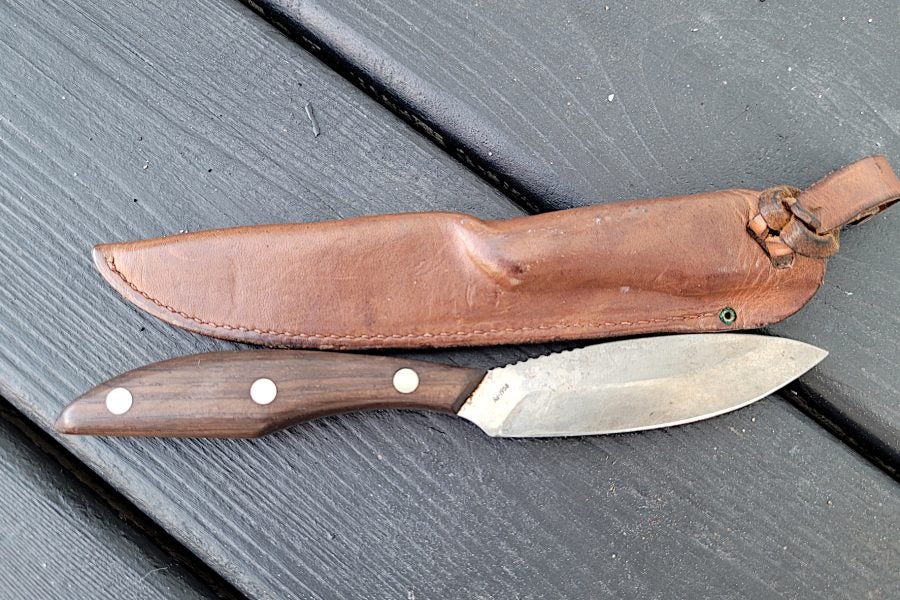
Most people do not remember the first time they became interested in knives. They usually remember needing one. A package arrived. A fishing trip was coming up. Something in the garage needed cutting. A simple task turned into a reason to keep a knife nearby. That is often how Knife Knowledge starts. Not through collecting. Not through studying blade steels late at night. Just through ordinary use. And then something interesting happens. The knife stops being an object people think about. It becomes part of the routine.
The Moment People Stop Thinking About The Tool
There is usually a stage when people pay attention to every detail. The handle feels different. The blade shape looks interesting. The opening action seems smoother than expected.
A few months later, most of those thoughts disappear. The knife gets picked up without much consideration. It goes where it needs to go, does the job, and gets put away again.
Strangely enough, that is often when people realize they actually like it. Not when it was new. When it became ordinary.
Small Tasks Have A Way Of Adding Up
A knife rarely proves itself through one major moment. It is usually dozens of small ones. Opening feed bags. Breaking down cardboard. Cutting string from a package. Trimming material during a home project. Nothing dramatic.
One task becomes another. Then another. A year later, someone realizes they have reached for the same knife hundreds of times without really noticing. That says something.
People Often Change Their Minds Along The Way
The knife somebody wanted a year ago is not always the knife they want today. That happens more than people expect. A design that looked impressive online may feel awkward after regular use. Another knife that seemed plain at first may slowly become the favorite. Not because it looks better. Because it fits the way daily life actually works. There is a difference between admiring a knife and using one every week. Most people discover that eventually.
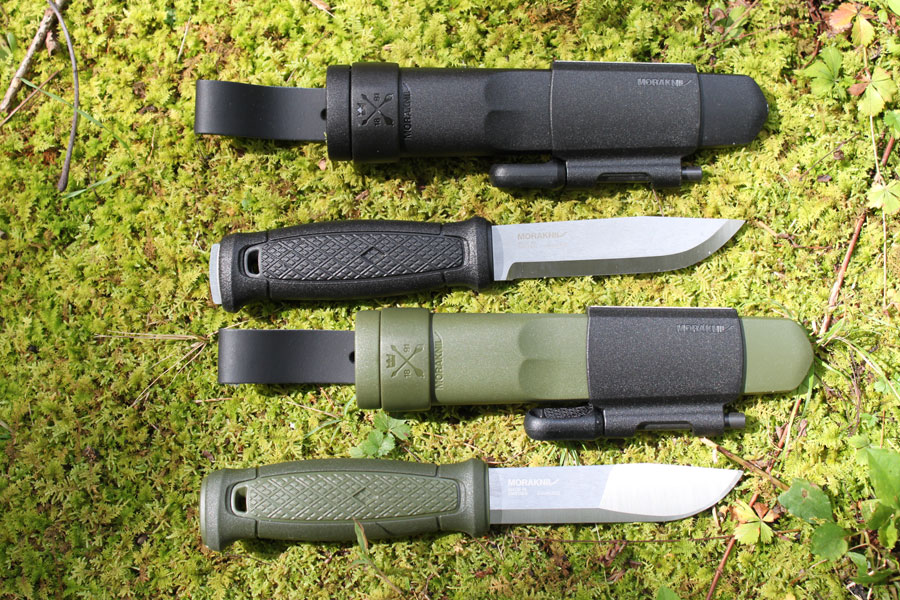
The Little Things Start Mattering More
At first, attention goes toward obvious features.
- Blade shape.
- Handle material.
- Locking system.
Over time, smaller details start taking over.
How easy is it to clean? Does it feel comfortable after repeated use? Does it disappear into a pocket without being annoying? Those questions rarely appear on the first day. Months later they become much harder to ignore.
What Experience Teaches Better Than Specifications
Specifications are useful. They help compare knives and understand what makes them different. Still, experience has a habit of teaching lessons that charts and measurements cannot.
A knife may look perfect on paper and somehow never feel quite right. Another may seem average according to the specifications and end up being carried for years. That is probably why experienced users often talk about real use before anything else. Numbers tell part of the story. Daily life fills in the rest.
A Few Observations That Show Up Repeatedly
Certain patterns seem to appear again and again.
- People often value comfort more than they expected.
- Real use changes opinions faster than reviews.
- Small maintenance habits prevent bigger problems later.
- Familiar tools get chosen more often than perfect ones.
- Preferences usually evolve with experience.
That is where Knife Knowledge often grows from. Not from a single purchase or one memorable experience. It develops through ordinary routines, changing opinions, and hundreds of small tasks that seem insignificant at the time.
Then years later, people realize they learned far more than they expected just by using a knife and getting on with their day.